
Gầu Tào Festival in Ha Giang – A Unique Cultural Heritage of the Hmong People
The Gầu Tào Festival is one of the most important and unique festivals for the Hmong people living in Ha Giang. It is not only a spiritual activity with profound significance but also an occasion for the Hmong community to gather, have fun, and showcase their distinctive cultural identity. Let Valor Ha Giang Loop take you on a journey to explore the Gầu Tào Festival in Ha Giang and understand more about the beautiful traditions of the ethnic minorities here.
Gầu Tào Festival in Ha Giang
Introduction to Gầu Tào Festival in Ha Giang
The Gầu Tào Festival of the Hmong people is held annually at the beginning of the year, from the 3rd to the 6th day of the lunar New Year. It is one of the most important festivals of the Hmong ethnic group, expressing gratitude to heaven, earth, ancestors, and deities for granting them a peaceful new year, abundant harvests, and prosperous lives. Initially, the festival was organized by childless couples to pray for offspring. Over time, it evolved into a major cultural event for the entire community.
The Gầu Tào Festival is usually held on flat, open fields, making it convenient for cultural activities and recreation. Each village or clan can organize this festival, lasting from 3 to 9 days depending on the scale and traditions of the region.
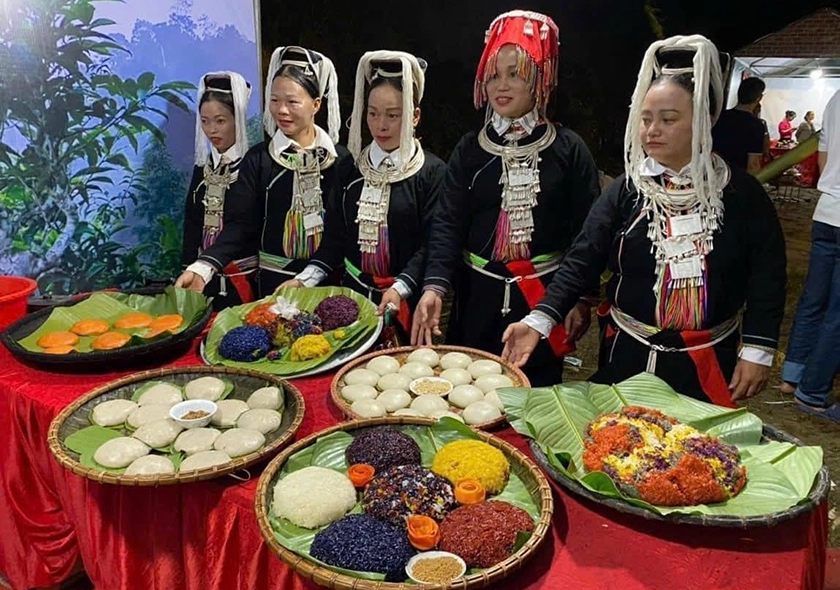
Gầu Tào Festival in Ha Giang
Origin and Significance of the Gầu Tào Festival
The Gầu Tào Festival originates from the folk beliefs of the Hmong people. In the past, if a childless couple desired to have children, they would pray for divine blessings. If their prayers were answered, they were obligated to organize the Gầu Tào Festival as an expression of gratitude. Gradually, the festival became a major community event, a time for villagers to rejoice, share joy, and welcome the new year.
In addition to spiritual elements, the Gầu Tào Festival is also an opportunity for the Hmong people to express their gratitude to heaven and earth, and to wish for health, prosperity, and bountiful crops. It is a time for the community to reunite, strengthen solidarity, and preserve their beautiful traditional culture.
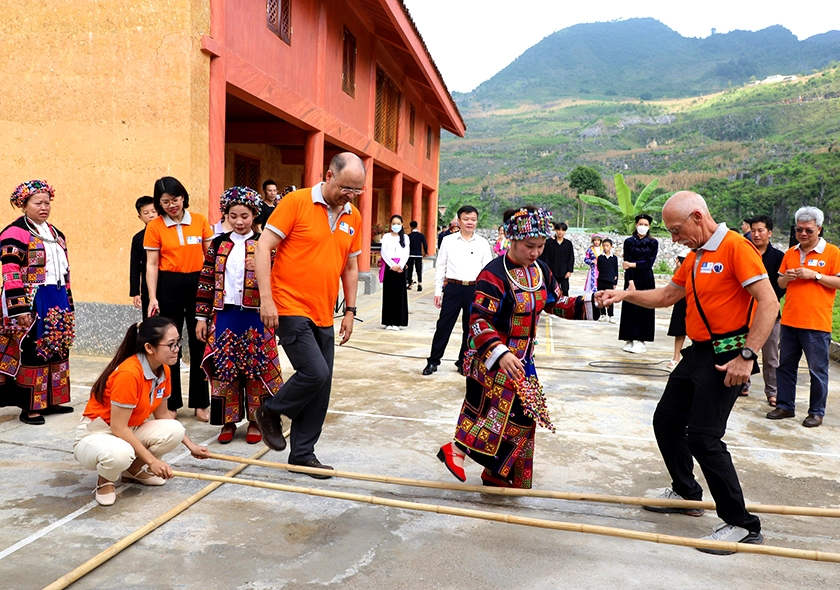
Gầu Tào Festival in Ha Giang
Highlights of the Gầu Tào Festival
The Gầu Tào Festival is divided into two main parts: the ceremonial part and the festive part, each with its unique characteristics.
Ceremonial Part
The ceremonial part is the most sacred ritual of the Gầu Tào Festival. The host or the village chief will erect a tall bamboo pole in an open field, symbolizing the connection between heaven and earth. The bamboo pole, often decorated with red or gold paper and effigies, represents the Hmong people’s reverence, strength, and eternal gratitude towards the deities.
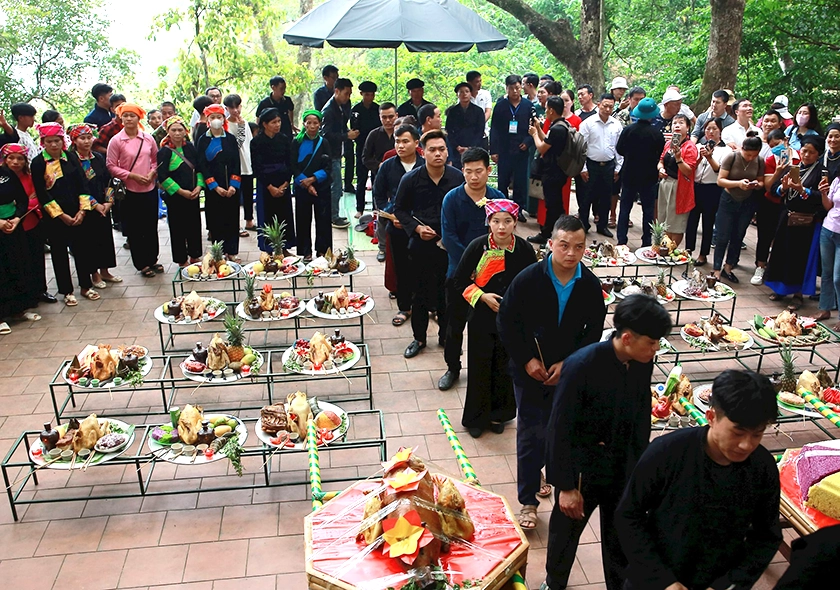
The host or shaman then prepares an offering tray with items such as a pig’s head, boiled chicken pairs, bowls of rice, sticky rice, eggs, bundles of rice and corn, and wine. The rituals involve three prayers:
- The first prayer thanks heaven and earth for protecting the villagers, and granting peace and health.
- The second prayer invites ancestral spirits and deities to attend the festival, bless the community, and ward off misfortune.
- The third prayer hopes for the host family to have healthy and plentiful offspring, as well as a prosperous and happy life.
After completing the ceremonial part, the entire village joins in feasting, toasting, and transitioning into the lively festive activities.
Festive Part
The festive part of the Gầu Tào Festival is the most joyful time when everyone participates in unique folk games. Some of the notable activities include:
- Khen Dancing: One of the most captivating performances of the festival. Hmong men showcase their musical skills and elegant dance techniques through the vibrant, powerful khen dance.
- Love Songs: An essential part of the festival, where young men and women express their feelings through charming singing exchanges.
- Traditional Games: The festival features games such as shuttlecock kicking, crossbow shooting, horse racing, tug-of-war, and wrestling. These activities not only allow young villagers to demonstrate their strength but also foster friendship and camaraderie.
- Traditional Market: Many places set up temporary markets during the festival, displaying handcrafted items, brocade clothing, and traditional Hmong instruments.
Gầu Tào Festival in Ha Giang’s Culture and Tourism
Today, the Gầu Tào Festival is not only a significant event for the Hmong people but also attracts numerous tourists. It is an opportunity for those who love folk culture to learn about the life and customs of ethnic minorities.
Local authorities and tourism organizations have actively promoted the Gầu Tào Festival as a unique tourism product. Many Ha Giang tours now include the Gầu Tào Festival in their itineraries, giving tourists a chance to immerse themselves in the festival’s vibrant and exciting atmosphere.
Moreover, the Gầu Tào Festival plays an important role in preserving folk culture, helping younger generations understand and cherish their origins. It serves as a bridge connecting the community, spreading valuable traditional values, and contributing to the sustainable development of Hmong culture.
Conclusion
The Gầu Tào Festival in Ha Giang is not only a spiritual event but also a source of pride for the Hmong people. It is an occasion for everyone to gather, enjoy the festive atmosphere, and at the same time preserve and promote traditional cultural values. If you have the opportunity to visit Ha Giang in spring, don’t miss the Gầu Tào Festival to explore the unique and fascinating aspects of this rocky highland.