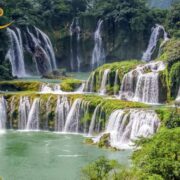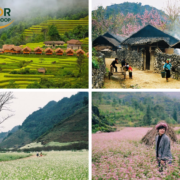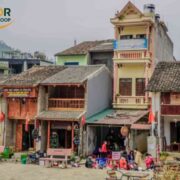

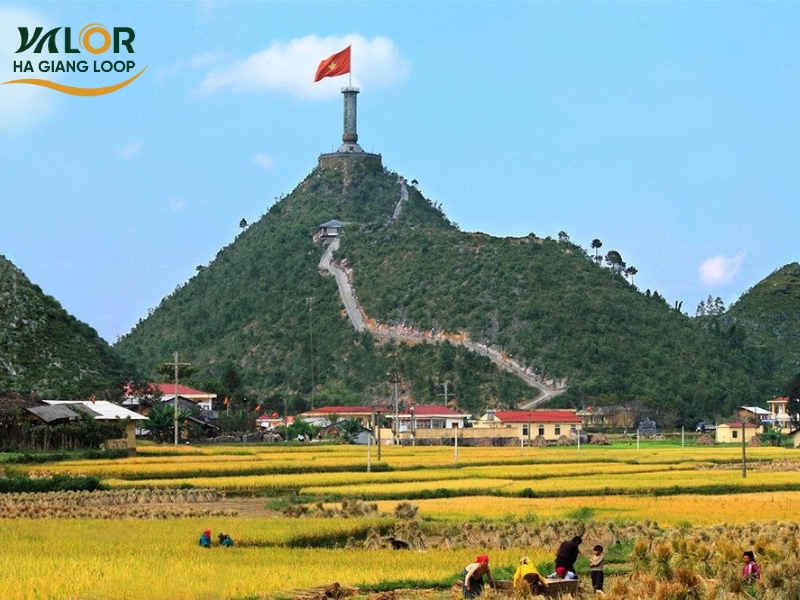
The Ha Giang Loop is one of the most beautiful and famous motorbike routes, known for its high mountain passes, sharp hairpin turns, steep rocky cliffs, and constantly changing weather. Many travelers, especially those riding a motorbike in mountainous terrain for the first time, often ask the question: “Is the Ha Giang Loop dangerous?” In reality, this journey can be completely safe and rewarding if you prepare carefully, understand the potential risks, and follow proper riding principles. In this article, Valor Ha Giang Loop will help you gain a clear understanding of the real level of danger of the Ha Giang Loop and the important things you need to know before setting off.
What is the Ha Giang Loop? Discover the most famous motorbike route in Northern Vietnam
The Ha Giang Loop is one of the most beautiful routes located in Ha Giang Province, at the northernmost part of Vietnam. With its majestic limestone mountain terrain and unique local culture, this approximately 300-kilometer route takes travelers through winding mountain passes, deep valleys, and villages of ethnic minority groups such as the H’Mong, Tay, and Nung, creating a journey that is both breathtaking and rich in cultural experiences.
Along the way, you will encounter stunning landscapes such as Ma Pi Leng Pass—one of Vietnam’s “four great mountain passes”—as well as vibrant highland markets. Travelers are drawn to the Ha Giang Loop for its untouched natural beauty, the sense of freedom that comes with conquering challenging curves, and the opportunity to connect with local life.
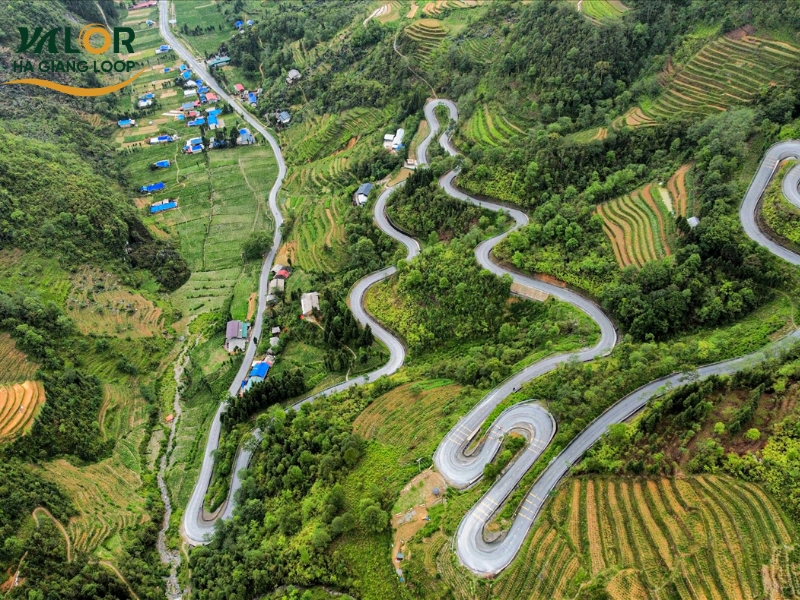
The Dong Van Karst Plateau on the Ha Giang Loop journey
Why is the Ha Giang Loop considered a dangerous route?
When preparing to visit Ha Giang, many travelers naturally wonder, “Is Ha Giang dangerous?” In reality, Ha Giang is famous for its raw mountain passes, majestic waterfalls, ethnic minority villages, and the strong sense of freedom that comes with motorbike travel. However, the very factors that make Ha Giang so attractive—its challenging terrain and rapidly changing weather—also create potential risks, especially for inexperienced or overconfident riders.
In recent years, several unfortunate accidents have been recorded along the mountain routes, most commonly due to speeding, improper cornering techniques, riding under the influence of alcohol, or misjudging road conditions. Factors such as narrow roads, fog, slippery surfaces during rain, and overloaded vehicles further increase the risk. Nevertheless, accidents on the Ha Giang Loop are not frequent, and most are preventable if travelers follow safety rules. Reported incidents consistently highlight the importance of cautious riding, speed control, and thorough preparation before the journey.
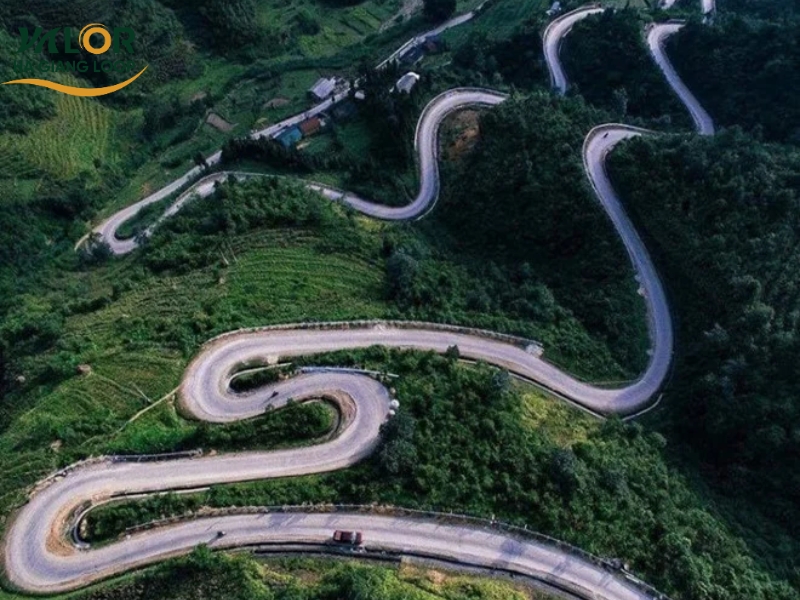
Dangerous steep mountain passes and sharp hairpin turns on the Ha Giang Loop
When is the best time to visit Ha Giang? An analysis of the weather throughout the year
Ha Giang’s weather changes clearly by season and directly affects safety when riding the Ha Giang Loop. The dry season from November to April is considered the ideal time for motorbike travel, with stable weather, mild sunshine, dry roads, and good visibility. This is the period most travelers choose to explore, as the routes are less slippery and easier to control.
In contrast, the rainy season from May to October brings many challenges. Ha Giang often experiences sudden heavy rain, thick fog, and reduced visibility. These weather conditions make road surfaces slippery, which is especially dangerous on steep mountain passes and sharp hairpin turns that characterize the Ha Giang Loop. On particularly rainy days, travelers may struggle to see the road clearly, and scenic views are often obscured by fog. This period carries a higher risk of skidding or losing control, especially for inexperienced riders or those unfamiliar with mountain roads.
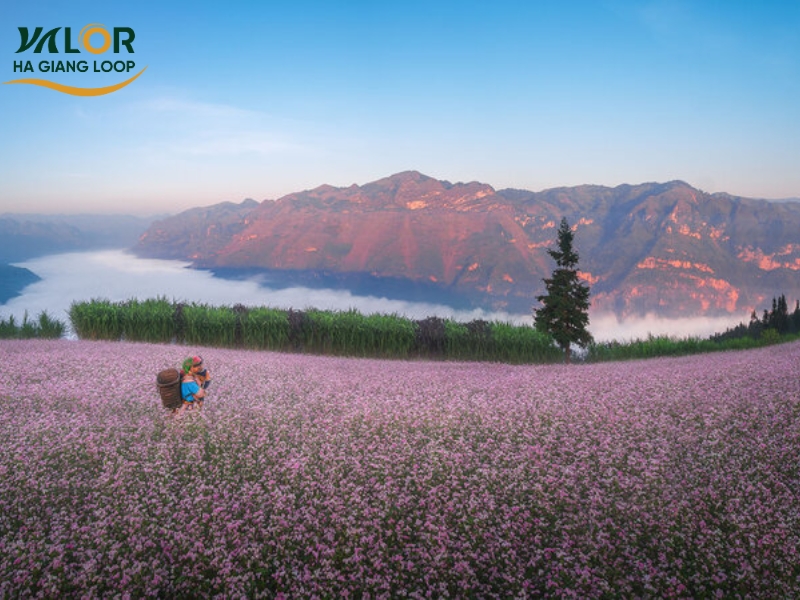
Buckwheat flower season painting Ha Giang’s mountain slopes pink in October–November
Safety tips for riding the Ha Giang Loop by motorbike
The Ha Giang Loop is famous for its majestic scenery but also full of challenges, especially for riders with little experience on mountain roads. The route features steep climbs, sharp hairpin turns, uneven surfaces, and often lacks protective guardrails. Therefore, equipping yourself with proper knowledge and safety skills is essential for a safe and enjoyable journey.
- Protect yourself with a quality helmet: Always wear a certified helmet that fits snugly and comes with a visor. A good helmet can save you in unexpected situations on mountain passes.
- Choose the right motorbike and inspect it carefully: Opt for a powerful, well-maintained bike. Before setting off, check the brakes, tires, lights, oil, and overall stability. A reliable bike will give you more confidence when climbing passes and taking corners safely.
- Adapt to unpredictable road conditions: Ha Giang features steep slopes, tight curves, gravel sections, potholes, and even livestock crossing the road. Always look far ahead, maintain a steady speed, and slow down when entering corners to reduce risks.
- Follow traffic laws and road signs: The common speed limit on mountain roads is around 50 km/h. Avoid dangerous overtaking or crossing into the opposite lane, especially on narrow roads with limited visibility. Obeying traffic signs helps prevent hazardous situations.
- Stay alert and focused while riding: Never ride when tired, sleepy, or under the influence of alcohol. Many sections of the Ha Giang Loop require high concentration, and even a moment of distraction can lead to accidents.
- Be cautious in foggy or bad weather conditions: Thick fog and rain are common in Ha Giang, particularly during the rainy season. If visibility is low, reduce your speed, turn on your lights, and keep a safe distance from the vehicle ahead.
- Prepare appropriate clothing: Ha Giang’s weather changes quickly and temperatures drop significantly at higher altitudes. Bring warm clothes, a raincoat, gloves, and shoes with good grip. Proper preparation ensures comfort and safety throughout the ride.
- Take regular breaks during the journey: Long distances and steep roads can cause fatigue. Stop every 45–60 minutes to rest, hydrate, and recharge. Timely breaks help maintain alertness and riding accuracy.
- Hire a guide if you lack experience: If you are not confident riding on mountain roads, consider hiring an Easy Rider guide. They know the routes well, help you avoid dangerous sections, and provide support in all situations. This option is both safe and allows you to fully enjoy the Ha Giang Loop.
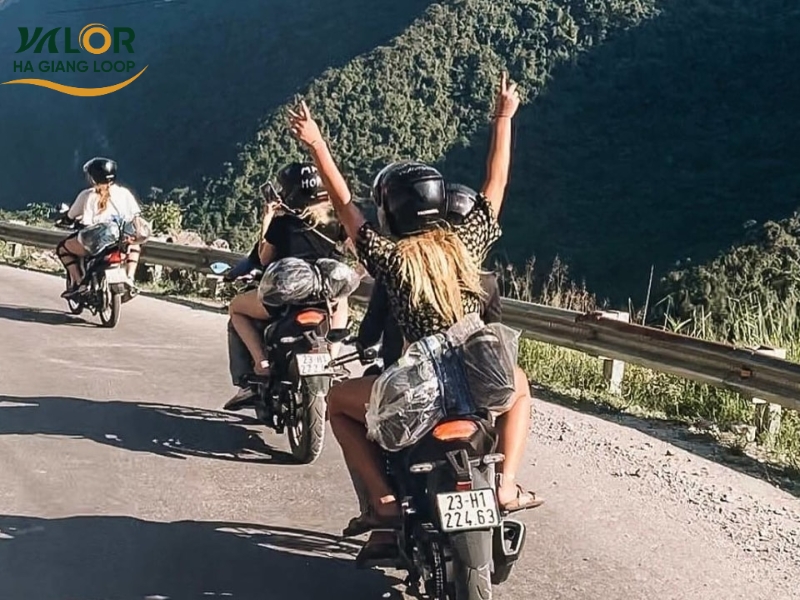
A local guide leading travelers on the Ha Giang Loop
The most beautiful and outstanding attractions in Ha Giang
Ha Giang is always ranked among the most beautiful regions in Vietnam, where the grandeur of rocky mountains meets the softness of valleys and the unique culture of ethnic minority communities. From windy mountain passes and valleys filled with seas of clouds to pristine caves and vibrant highland markets, all come together to create a Ha Giang that is wild, poetic, and full of energy.
- Thach Son Than (Stone God Mountain): Thach Son Than is one of the most distinctive landmarks in Quan Ba, featuring a massive natural rock formation shaped like a mighty guardian deity watching over the limestone plateau. From this viewpoint, travelers can gaze out over the vast valley and the characteristic yellow rammed-earth houses below.
- Lung Khuy Cave: Located not far from Heaven’s Gate, Lung Khuy Cave is often described as Ha Giang’s forgotten treasure, with its impressive, sharp, and magical stalactite system. The cave is spacious, deep, and remarkably well-preserved, making it an ideal destination for visitors who love geology and untouched natural beauty.
- Bat Dai Son Cultural Village: Bat Dai Son is a mountainside village where the H’Mong people have lived for generations. It is known for its yellow earthen houses, winding terraced fields, and peaceful atmosphere. Visitors can stroll through the village, watch locals weaving linen or making traditional sticky rice cakes, and experience the unique rhythm of highland life.
- The Lonely Tree of Quan Ba: Perched on a hillside overlooking a wide valley, the Lonely Tree is a perfect stop for those who love cinematic landscapes. Sunrise and sunset are the most beautiful times, when golden light washes over the mountainsides, creating an enchanting and dreamlike scene.
- Tam Son Town: Tam Son is the central town of Quan Ba, offering panoramic views of the Twin Mountains from above. From cafés, homestays, and roadside viewpoints, the valley comes alive with farmland, villages, and the iconic, gently shaped twin peaks.
- Quan Ba Highland Market: Quyet Tien Market, held every Sunday, is a cultural gathering place for the H’Mong, Tay, and Nung people. Visitors can find handmade brocade, seasonal vegetables, corn wine, thắng cố, and mèn mén. The liveliest time is between 6:00 and 9:00 a.m., when locals come together to trade, chat, and socialize.
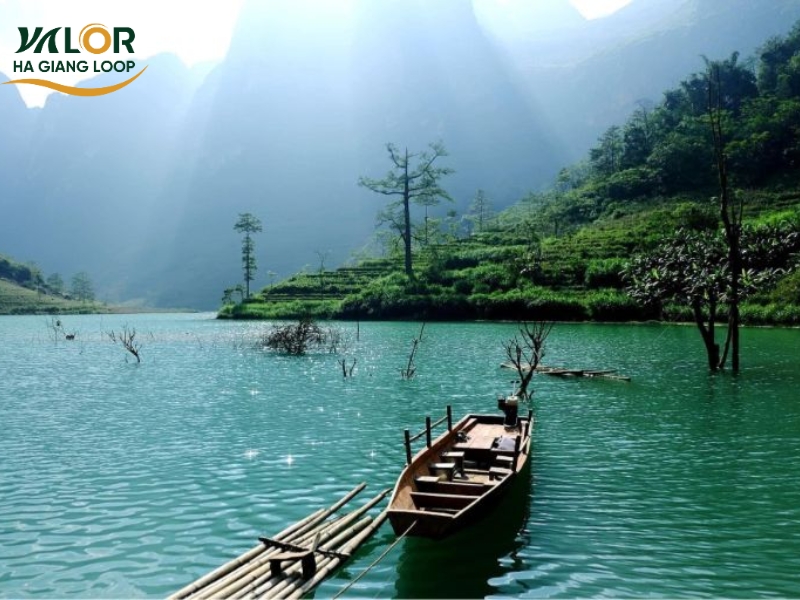
The majestic scenery of Ma Pi Leng Pass overlooking the jade-green Nho Que River
Through this article, Valor Ha Giang Loop has helped you gain a clearer understanding of the level of danger on the Ha Giang Loop, the risks to be aware of, and how to prepare safely before starting your journey. With its majestic yet challenging mountainous terrain, the Ha Giang Loop can absolutely become an unforgettable experience if you are well-informed, ride carefully, and choose the right time to go.