
Travel Tips for First-Time Visitors to Ha Giang
Ha Giang – the northernmost land of Vietnam, is famous for its majestic natural scenery, winding mountain roads, and unique ethnic culture. If it’s your first time visiting Ha Giang and you’re not sure where to begin, join Valor Ha Giang Loop to explore these detailed self-guided travel tips for a complete journey. Check other must-visit locations to see in our article.
When is the best time to travel to Ha Giang? Ideal times to visit
Ha Giang is a year-round destination, with each season offering its own unique charm. You can choose to visit Hà Giang at any time of the year:
- From January to March: A painting bathed in spring colors with blooming peach and plum blossoms throughout the villages.
- In April: The time of the unique Khau Vai Love Market Festival, one of the most captivating festivals of the rocky highlands.
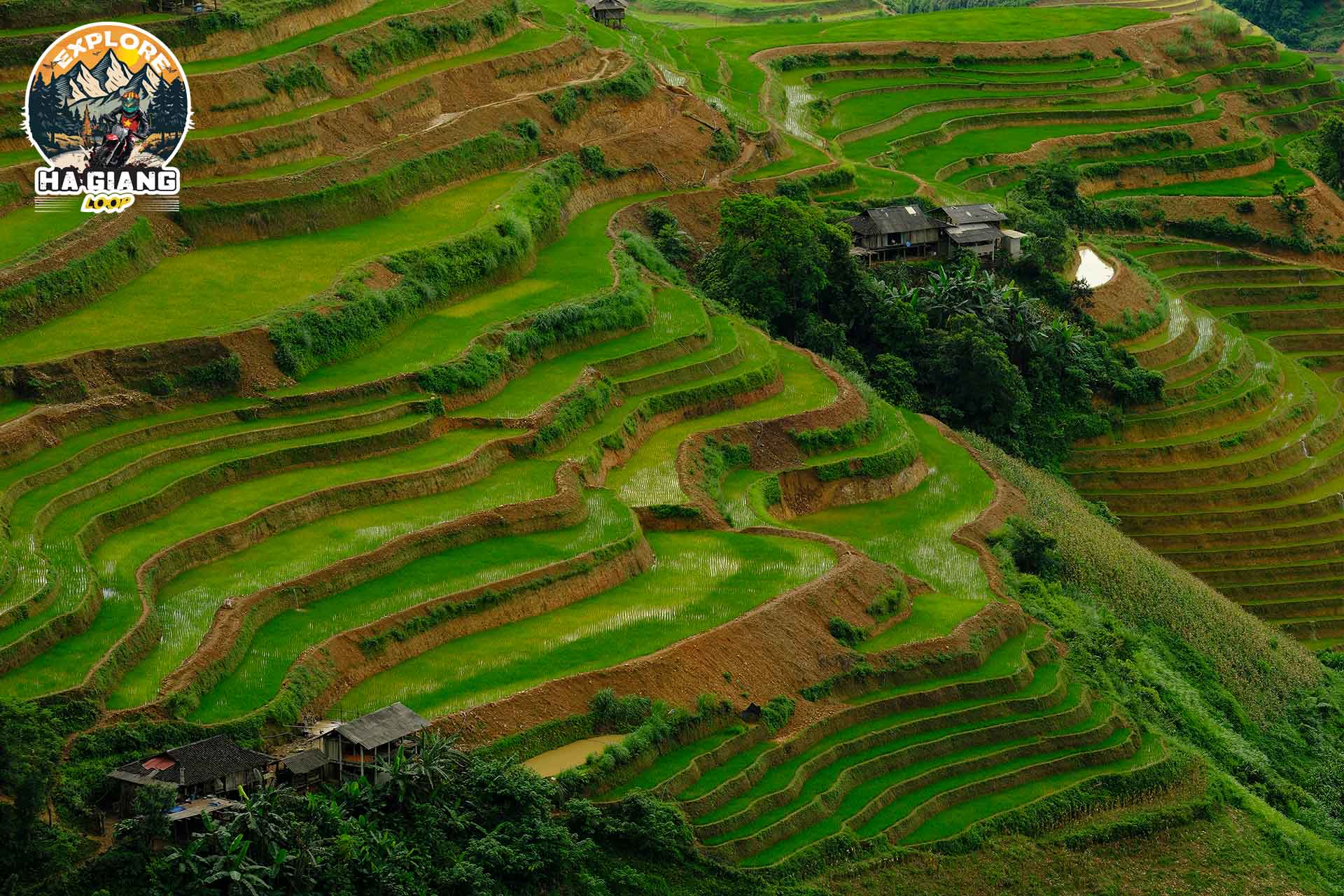
- From May to June: The season of water pouring over terraced fields. It’s when you can witness the cascading water and the bustling life of locals planting rice.
- In September and October: The vibrant golden season of ripe rice, creates picturesque check-in spots.
- From October to December: The famous buckwheat flower season, attracts thousands of visitors. This is also the time for romantic and poetic yellow mustard flower blooms.
To have a full experience, consider visiting from October to December to admire the buckwheat flowers, or from September to October to enjoy the golden terraced fields.
Ha Giang Loop
Detailed Guide on How to Travel to Ha Giang
Ha Giang is approximately 300km from Hanoi, and you can choose from several modes of transportation:
- Sleeper Buses: Sleeper buses from Ha Noi to Ha Giang depart from My Dinh Bus Station, with ticket prices ranging from 250,000 to 350,000 VND per trip. Valor Ha Giang Loop suggests some reliable bus operators such as Cầu Mè, Bằng Phấn, and Ngọc Sơn.
- Motorbikes: If you enjoy the adventure of a road trip, you can ride a motorbike from Hanoi. However, you must have strong riding skills as the mountain passes can be quite challenging. Start from the Lang Hoa Lac route, and head to Thang Long Boulevard – National Highway 21. Then take Route 32 to Phu Tho, turn left onto National Highway 2, follow the roundabout to National Highway 2C in Tuyen Quang, and continue along this road to reach Ha Giang. Make sure to check the map regularly for the quickest route to Ha Giang.
- Private Car: This option is suitable for groups or families, taking about 6–7 hours to travel. The car route is as follows: Ha Noi – Thang Long Bridge – Expressway 05 – Noi Bai-Lao Cai Expressway – National Highway 2B – Tuyen Quang. From Tuyen Quang, head toward the city, pass National Highway 2, go through Ham Yên, Bac Quang, and Vi Xuyen, and you’ll arrive in Ha Giang.
Where to Stay When Traveling in Ha Giang
Ha Giang offers a diverse range of accommodations, from guesthouses and hotels to homestays, catering to various budgets:
- Ha Giang City: Comfortable hotels such as Phoenix Hotel and Ha Giang Guesthouse.
- Dong Van: Consider staying at homestays like Bui Homestay or Nha Co Homestay to experience the local culture.
- Meo Vac: Popular options include Meo Vac Clay House and Auberge de Meo Vac.
- Du Gia: Known for Du Gia Homestay, a tranquil location amidst the mountains and forests.
According to surveys, Dong Van and Meo Vac are the two most favored places for accommodation, thanks to their many tourist attractions and scenic views. Wherever you decide to stay, it’s recommended to plan and book your room in advance to secure your preferred option.
Dong Van Rocky Plateau
What to Eat When Visiting Ha Giang?
Ha Giang not only captivates visitors with its beauty but also offers a unique culinary experience with various specialties. Notable dishes include thắng cố (a traditional horse meat stew), xôi ngũ sắc (five-colored sticky rice), buckwheat cake (bánh tam giác mạch), and thắng dền (a sweet glutinous rice dumpling dessert), which leave a lasting impression on many visitors.
Thắng Cố – A Must-Try Specialty
Thắng Cố is a signature dish that you must try when visiting Ha Giang. It is a traditional dish of the H’mong people, a famous specialty of the Northwest region, made from horse, cow, or buffalo innards combined with various spices like cardamom, cinnamon, and star anise.
This dish is commonly served at highland markets. Tourists can enjoy Thắng Cố at local markets in Meo Vac, Lung Cu, Dong Van, etc., for a very affordable price of around 20,000 VND per bowl.
Thắng Dền – A Delicious Treat
A trip to Ha Giang would be incomplete without tasting Thắng Dền. This round dumpling is made from sticky rice flour, and filled with mung beans or red beans to enhance the flavor. It is served in a sweet ginger syrup and topped with sesame seeds or shredded coconut.
Thắng Dền has a chewy texture and comes in various vibrant colors. It carries a light fragrance of sticky rice with a gentle sweetness. Combined with ginger syrup, creamy coconut milk, and crunchy roasted peanuts, this dessert becomes irresistibly delicious. It is especially popular during the colder months.
Cháo Ấu Tẩu – Bitter Root Porridge
This porridge is made from ấu tẩu roots – a medicinal plant with a bitter taste, simmered with sticky rice, minced meat, and eggs. It is known for helping diners sleep better and relieving fatigue after a long day. Sold year-round, cháo ấu tẩu is best enjoyed in the evenings at local markets or restaurants.
Thịt Trâu Gác Bếp – Smoked Buffalo Meat
Thịt trâu gác bếp is an iconic specialty that represents Ha Giang. This delicacy, traditionally made by the Thai and H’mong ethnic groups, uses buffalo meat (primarily from the thighs) marinated with salt, pepper, ginger, chili, and a local spice called mắc khén. The meat is then hung above a kitchen fire and smoked continuously for about two months until it dries. The result is dark brown meat with a distinct smoky aroma.
Rượu Ngô – Corn Wine
Corn wine is a common drink in the rocky highlands of Ha Giang. Almost every household has 3-5 liters of this wine to serve guests. Made from corn fermented with herbal yeast, Ha Giang’s corn wine has a fragrant, warming flavor. Due to Ha Giang’s cool summers and cold winters (sometimes with snow), locals often drink rượu ngô to keep warm. This wine has a slightly sweet taste, making it easy to drink, and carries the distinctive scent of corn, representing the uniqueness of Ha Giang.
Bánh Tam Giác Mạch – Buckwheat Cake
Bánh tam giác mạch is a beloved snack enjoyed by both locals and tourists in Ha Giang. This cake attracts attention with its vibrant color and the unique fragrance of buckwheat flowers. When eaten, the cake offers a soft, crumbly texture and a mildly nutty taste from buckwheat seeds. It is often paired with Thắng Cố or lợn cắp nách (a local roasted pork dish), offering a rich culinary experience of the highlands.
A Perfect 3-Day 2-Night Travel Itinerary for Ha Giang:
Ha Giang is vast, with countless breathtaking landscapes and exciting experiences. To fully explore this region in a short time, you’ll need a well-planned itinerary. Below is a suggested 3-day 2-night Ha Giang travel plan to help you enjoy the majestic natural beauty, learn about local culture, and savor regional specialties to the fullest.
Day 1: Quan Ba Heaven’s Gate – Tham Ma Slope – Pao’s House – Vuong Family Mansion – Dong Van Rocky Plateau
- Quan Ba Heaven’s Gate: A stunning viewpoint for cloud-hunting and admiring the Co Tien Twin Mountains.
- Tham Ma Slope: A legendary slope with 9 challenging curves, a favorite for adventurers.
- Pao’s House: The setting of the famous film The Story of Pao.
- Vuong Family Mansion: A unique architectural masterpiece of the H’mong King, blending H’mong, French, and Chinese cultures.
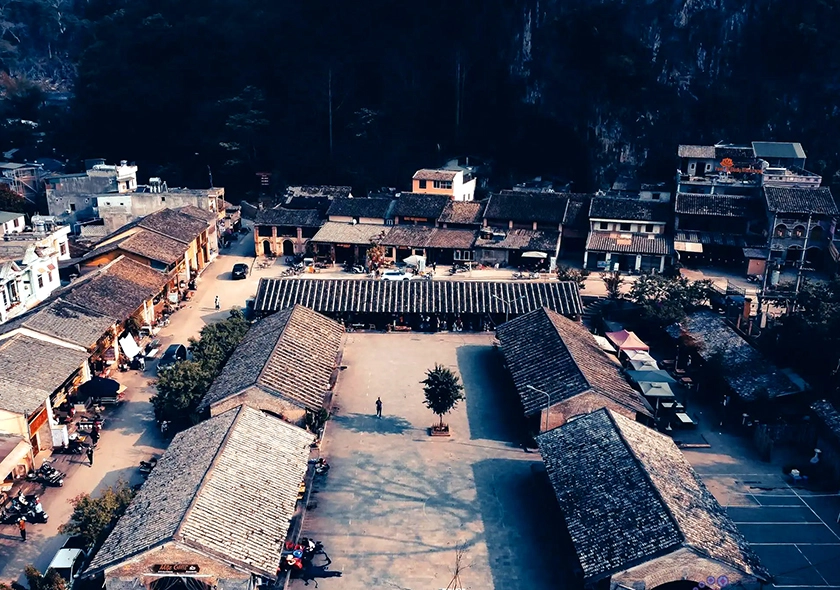
- Dong Van Rocky Plateau: A UNESCO Global Geopark, known for its magnificent limestone landscapes.
Day 2: Lung Cu Flag Tower – Ma Pi Leng Pass – Tu San Canyon – Meo Vac Town
- Lung Cu Flag Tower: A sacred national symbol located on a 1,470m-high peak.
- Ma Pi Leng Pass: One of Vietnam’s “four great mountain passes,” offering stunning yet treacherous roads.
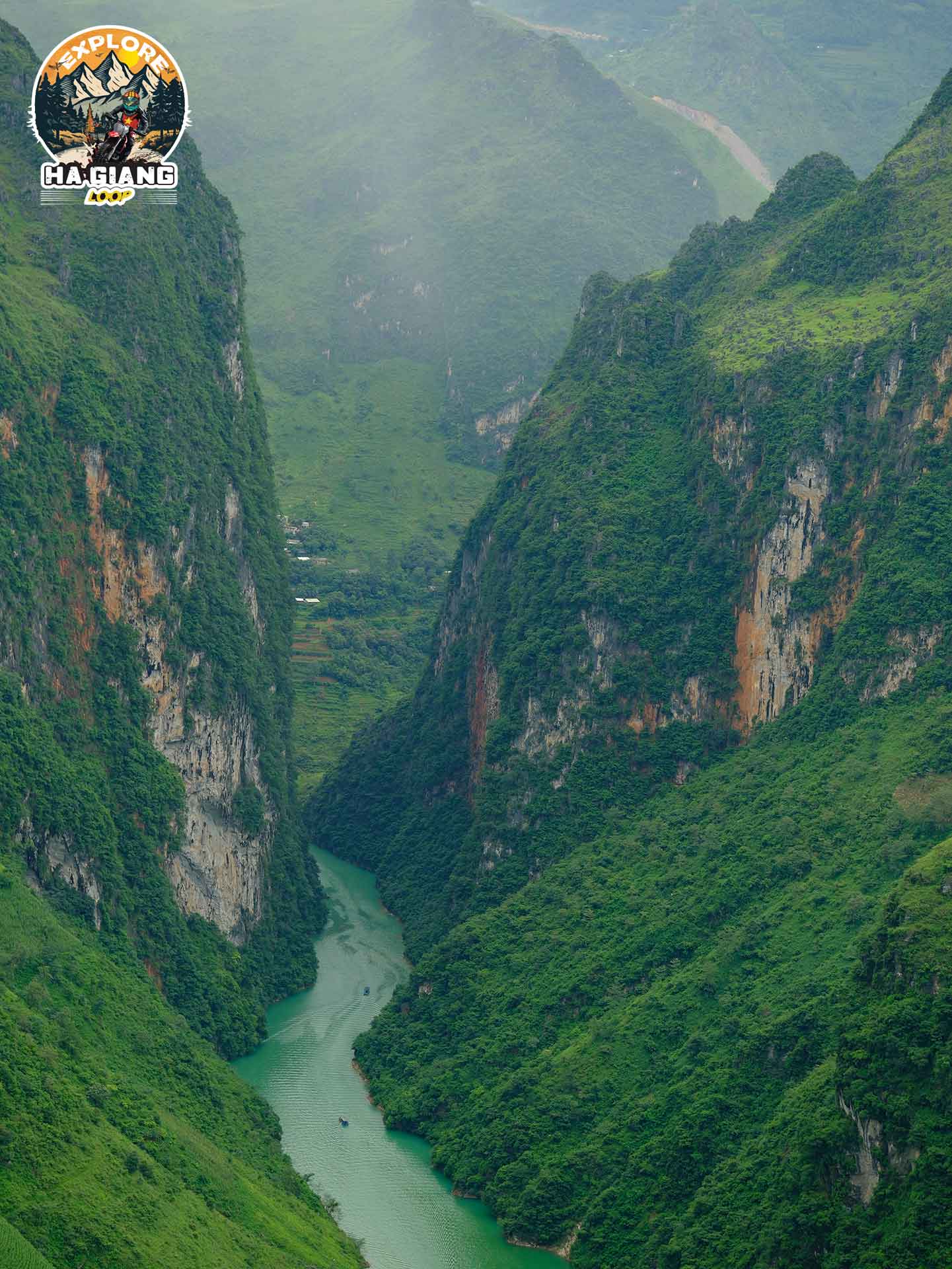
- Tu San Canyon: The deepest canyon in Southeast Asia, with steep cliffs and the emerald-green Nho Que River.
- Meo Vac Town: A perfect stop with beautiful homestays and unique highland markets.
Day 3: Ma Pi Leng Panorama Café – 0km Milestone
- Ma Pi Leng Panorama Café: A coffee shop offering a breathtaking view of the Nho Quế River below.
- 0km Milestone: A must-visit check-in point to conclude your Ha Giang adventure.
Important Tips for Traveling to Ha Giang
- Prepare your physical health: Ha Giang has many challenging mountain passes, so ensure you are in good shape.
- Refuel your vehicle: Many road sections lack gas stations, so always keep your fuel tank full.
- Bring warm clothing: Even in summer, the evenings in Ha Giang can be quite chilly.
- Drive carefully: The mountain roads are steep and winding, so drive at a safe speed and obey traffic rules.
Conclusion
Ha Giang not only boasts magnificent natural landscapes but also leaves a lasting impression through its people and culture. With the travel tips provided by Valor Ha Giang Loop, we hope you’ll have an unforgettable and fulfilling journey to Ha Giang!