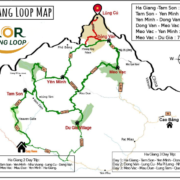
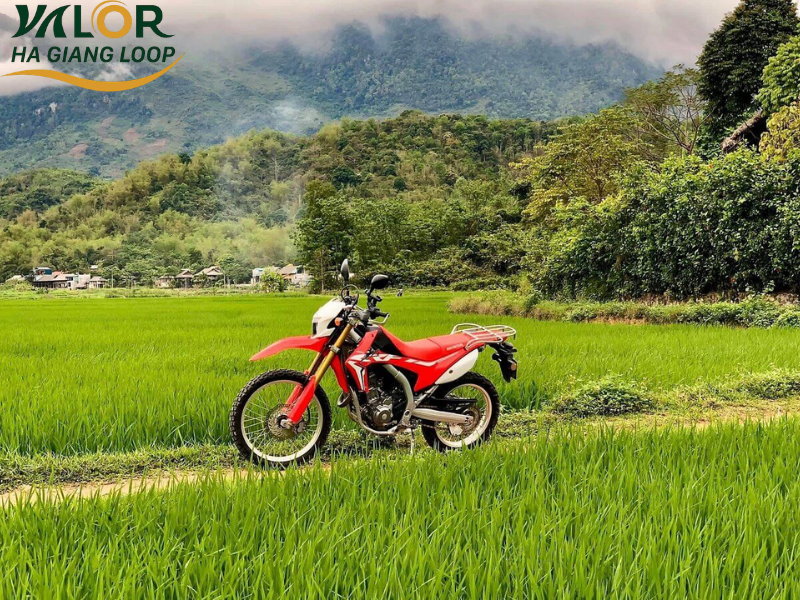
Ha Giang has long been a dream destination for travelers who love dramatic mountain passes and adventurous journeys in Northern Vietnam. A Ha Giang Loop trip 2026 promises breathtaking landscapes, rich ethnic cultures, and unforgettable experiences around every winding turn. If you are searching for all you need for a Ha Giang Loop Trip in 2026, this comprehensive guide is exactly what you need. In this article, Valor Ha Giang Loop shares everything you should know for your Ha Giang Loop adventure from the best time to visit and recommended routes to estimated costs, safety tips, and essential packing advice.
Extreme Weather Conditions on the Ha Giang Loop
When planning to conquer the Ha Giang Loop, understanding the local weather conditions is essential. Located at elevations ranging from approximately 900 meters to over 2,000 meters above sea level, this region experiences significant temperature fluctuations within a single day, especially along the high mountain passes.
You may begin your morning surrounded by thick fog with temperatures around 8°C (46°F), limited visibility, and damp, chilly air. By midday, however, temperatures can rise to 28°C (82°F), with strong sunshine causing you to sweat as you ride through open valleys and high plateaus. These sudden shifts in temperature make layering clothing crucial for adapting comfortably throughout the day.
Rain is another important factor to consider on the Ha Giang Loop. Although the rainy season typically lasts from May to September, showers can occur at any time of the year. When it rains here, it is often heavy and prolonged, making roads slippery and significantly reducing visibility. Without proper rain gear or waterproof clothing, you can become completely soaked within minutes.
In addition, strong winds on exposed sections such as Ma Pi Leng Pass or the highlands around Dong Van should not be underestimated. Powerful gusts can make the temperature feel colder than it actually is and may affect your balance while riding.
Explore Tour at Valor
Essential Clothing for Conquering the Ha Giang Loop
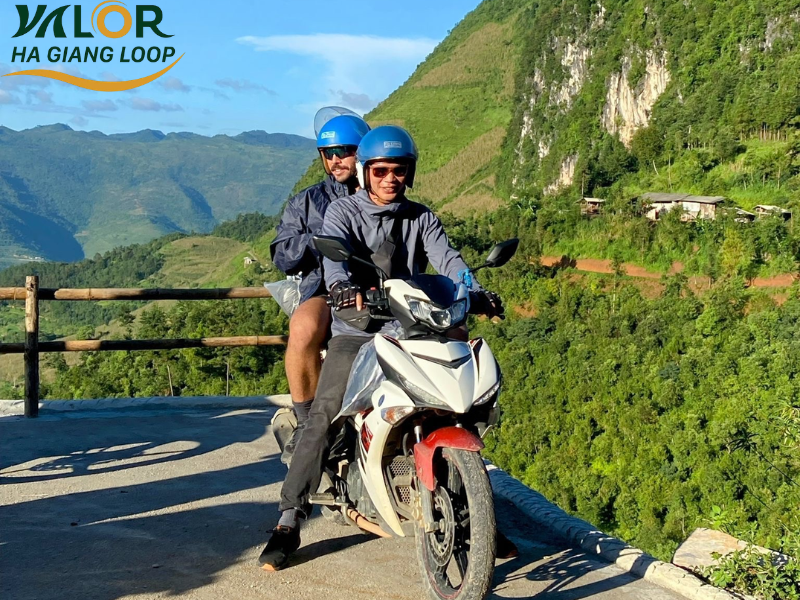
Choosing the right clothing for the Ha Giang Loop plays a crucial role in ensuring both comfort and safety throughout your journey. Many travelers make the mistake of overpacking or bringing fabrics that dry slowly, retain moisture, and are not adaptable to changing weather conditions. In reality, weather on the Ha Giang Loop can shift dramatically within a single day. The key principle is to dress in layers rather than preparing one fixed outfit per day.
- Base Layer: Bring 2–3 moisture-wicking shirts made from synthetic materials or merino wool. These fabrics dry quickly and help retain warmth when temperatures drop. Avoid cotton, as it holds moisture and can make you feel cold in the early morning or when riding through higher mountain passes.
- Mid Layer: A lightweight fleece or long-sleeve thermal top is ideal for early mornings and high-altitude areas such as the Dong Van Plateau. Nighttime temperatures can drop significantly, and this layer provides effective insulation while still being easy to remove as the day warms up.
- Outer Layer: A windproof or light waterproof jacket is essential. Even when it’s not raining, strong winds while riding can quickly chill your body. A packable windbreaker is especially useful, as it offers protection without taking up much space in your backpack.
- Pants and Lower Wear: Two pairs of pants are generally enough. One durable, quick-drying pairsuch as trekking pantsfor riding, and one spare for changing when needed. Jeans are acceptable but take a long time to dry if wet. During colder months, you can add thermal leggings underneath for extra warmth.
- Evening Wear: After a long day of riding, it’s best to have a comfortable outfit for relaxing at a homestay. Lightweight joggers or comfortable long pants paired with a clean T-shirt are practical choices. There’s no need for anything fancy, but wearing clean, dust-free clothes will help you feel more comfortable at the end of the day.
Safety Gear for Riding on the Ha Giang Loop
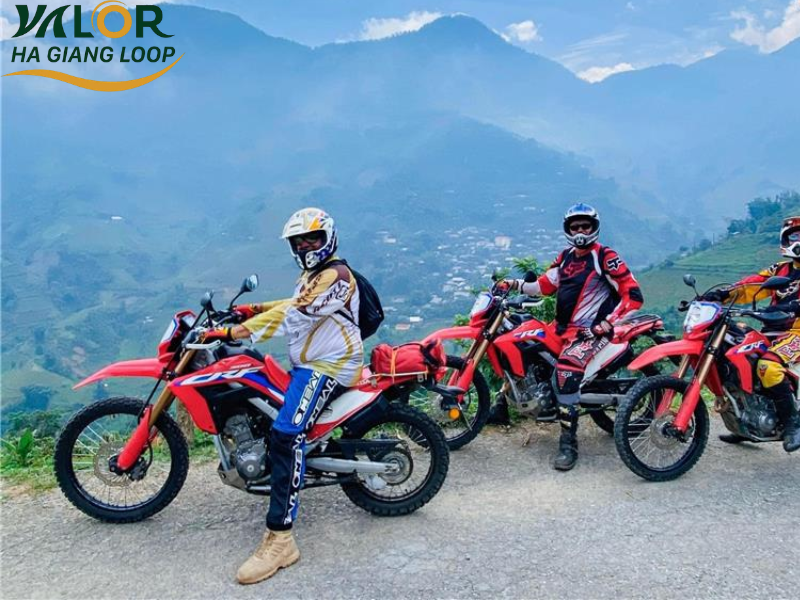
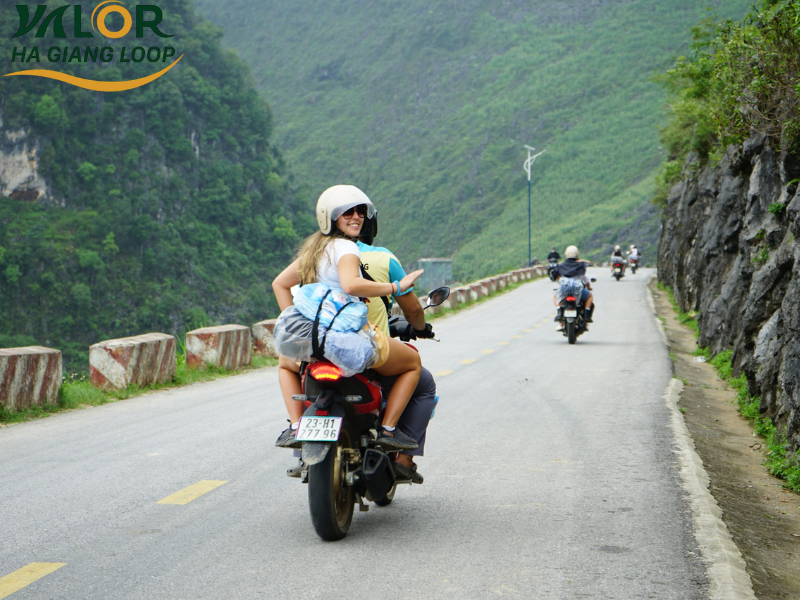
Conquering the Ha Giang Loop by motorbike is an exciting adventure, but it also requires careful preparation in terms of clothing and safety equipment. The mountainous terrain, sharp hairpin turns, and rapidly changing weather conditions make proper gear essential for a safe journey.
First and foremost, a high-quality helmet is mandatory. When renting a motorbike in Ha Giang, rental shops usually provide a helmet, but you should carefully check its condition and fit before riding. If it feels loose or poorly made, ask for a replacement to ensure your safety on challenging passes such as Ma Pi Leng or around Dong Van.
In addition to a helmet, motorcycle gloves are highly recommended, especially for long rides. Gloves improve grip on the handlebars, reduce slipping caused by sweat or rain, and help keep your hands warm in colder, high-altitude areas. For riders who are less experienced with mountain roads, wearing knee and elbow protectors can help minimize injury in case of an accident.
A windproof or protective riding jacket is also essential. Even on sunny days, strong winds at higher elevations can quickly lower your body temperature. A thick jacket that provides both wind resistance and light waterproof protection will help you adapt better to changing weather conditions.
Additionally, choose shoes with good traction and avoid sandals or slippery footwear. Proper footwear not only helps you maintain balance when stopping on steep roads but also offers better protection in unexpected situations.
Wearing appropriate clothing and safety gear will boost your confidence while riding the Ha Giang Loop and ensure a smoother, safer adventure through the stunning mountains of Northern Vietnam.
Required Documents and Finances for Traveling to Ha Giang
To ensure your Ha Giang Loop trip goes smoothly, safely, and without legal complications, preparing the necessary personal documents and finances is essential. Many travelers focus on routes and clothing but overlook paperwork and cash, which are often the main causes of unexpected disruptions during the journey.
Personal Documents
You should bring:
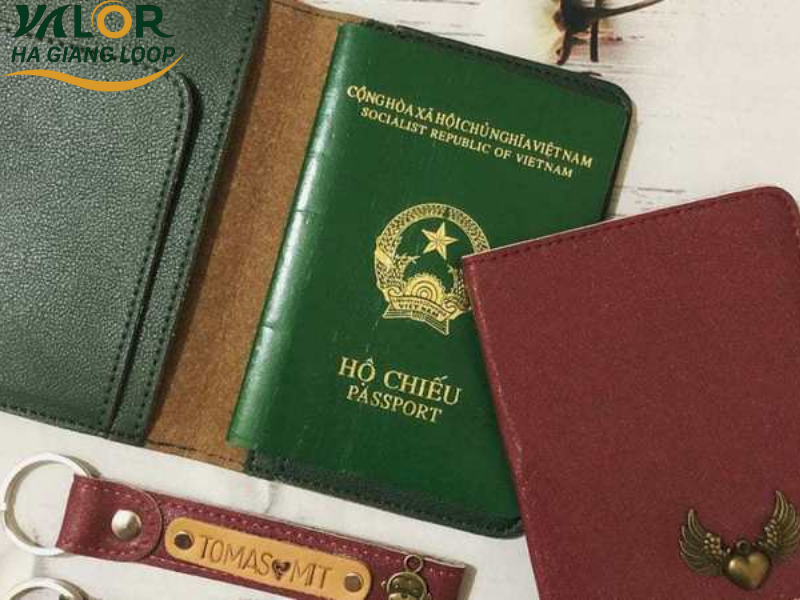
- A valid original passport, as it is required when checking in at hotels or homestays.
- A copy of your passport for quick identification checks or when you prefer not to carry the original throughout the day.
- A valid visa in accordance with Vietnam’s entry regulations, especially for international travelers staying long-term.
Keeping your documents secure and carrying backup copies will help you avoid unnecessary risks while traveling across different districts in Ha Giang.
Driver’s License (If You Ride a Motorbike Yourself)
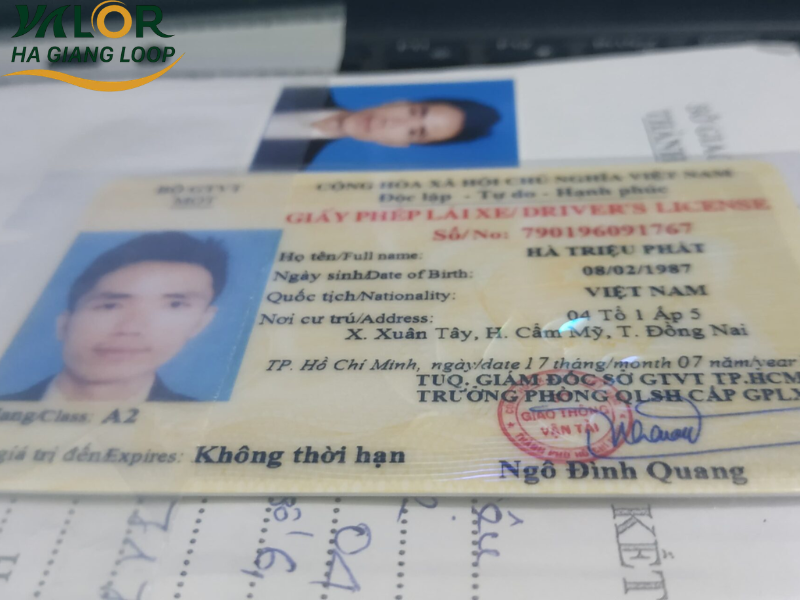
If you plan to ride the Ha Giang Loop on your own, Vietnamese regulations require you to have one of the following:
- A valid Vietnamese motorbike license, or
- An International Driving Permit (IDP) under the 1968 Vienna Convention, specifically endorsed for motorcycles (Category A).
Although enforcement may not always be consistent, if you are stopped at a police checkpoint without a valid license, you may face fines or be required to turn back. More importantly, many travel insurance policies will refuse to cover accidents involving motorbikes if you do not hold a legally recognized license.
Finances and Payment Methods
Ha Giang is a mountainous region where electronic payments are not always widely accepted. Therefore, you should prepare the following:
- Cash in Vietnamese Dong (VND), especially when traveling through areas such as Dong Van, Meo Vac, or remote villages, where most local restaurants and homestays do not accept cards.
- An ATM card or international credit/debit card, mainly usable in Ha Giang City.
- A budget reserve for fuel, meals, entrance tickets, accommodation, and unexpected expenses.
Being financially prepared will help you avoid running out of money in remote mountain areas along the Ha Giang Loop.

Payment methods when traveling in the mountainous region of Ha Giang
A Ha Giang Loop trip in 2026 will be far more rewarding when you prepare carefully. From understanding mountain weather conditions and choosing suitable clothing to equipping proper safety gear and organizing valid documents and finances, every detail contributes to a smooth and memorable journey. The Ha Giang Loop is not just about riding through spectacular mountain passes it is a complete experience of Northern Vietnam’s breathtaking landscapes and rich cultural heritage.
See more:
9 Places Must Check In At Ha Giang
Whens The Best Time To Visit Ha Giang