If you’re planning a motorbike adventure in northern Vietnam, you may be wondering: Where is Ha Giang Loop? Located in the far north near the Chinese border, this legendary route is one of the most breathtaking journeys in Southeast Asia. In this complete beginner’s guide, Valor Ha Giang Loop breaks down exactly where the Ha Giang Loop is, how to get there, and what makes it a must-do experience for travelers seeking dramatic mountain passes, ethnic culture, and unforgettable landscapes.
What Is the Ha Giang Loop?
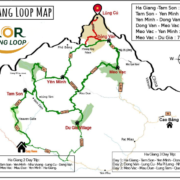
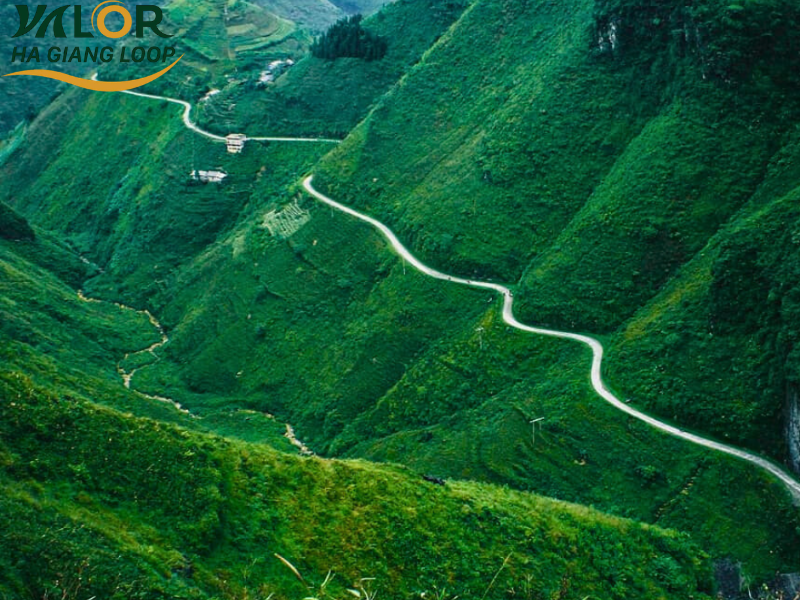
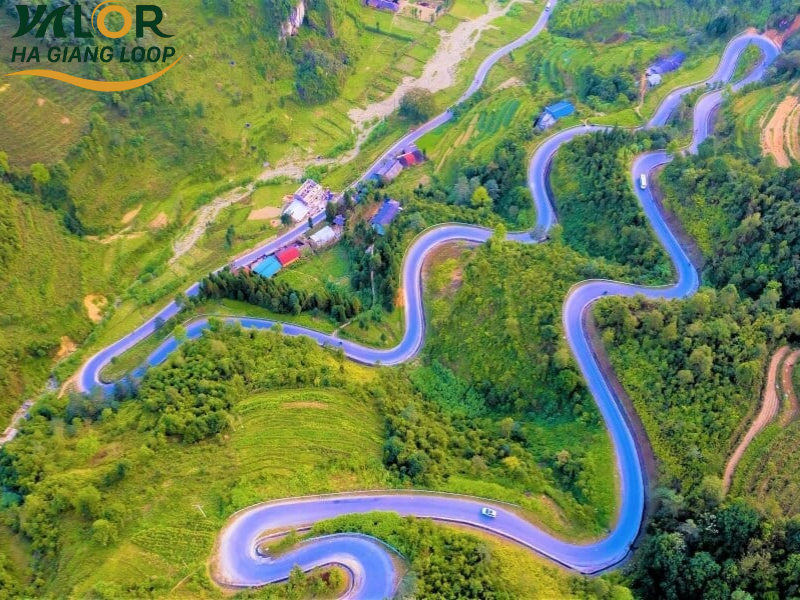
The Ha Giang Loop is one of the most famous and impressive motorbike routes in Southeast Asia, attracting adventure lovers and backpackers from around the world. Stretching approximately 350 kilometers, the route begins in Quan Ba, passes through Yen Minh, Dong Van, and Meo Vac, and then loops back to the starting point, forming a circular journey through the majestic Dong Van Karst Plateau.
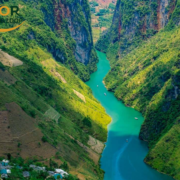
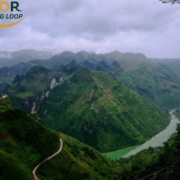
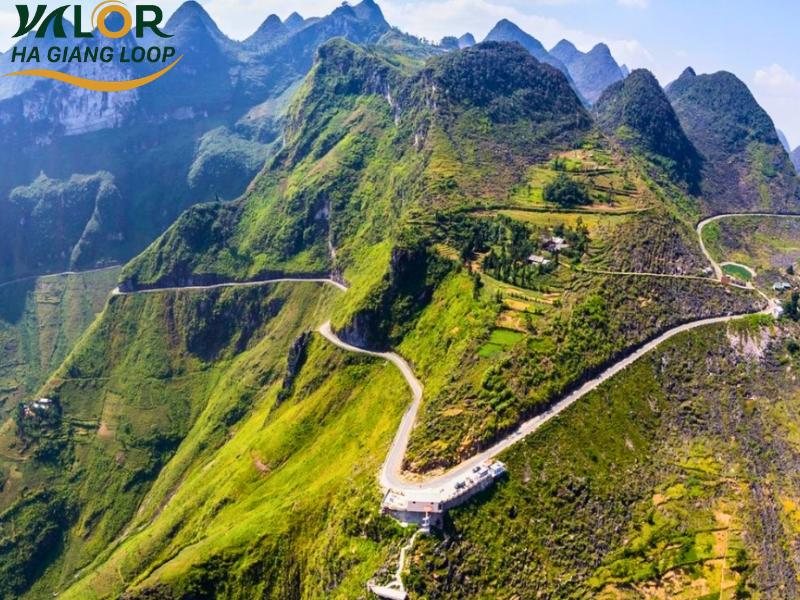
This spectacular route winds through deep valleys, steep mountain passes, dramatic canyons, and towering limestone ranges. The highlight of the journey is Ma Pi Leng Pass one of Vietnam’s “Four Great Mountain Passes” where travelers can admire the emerald Nho Que River snaking beneath rugged cliffs.
Beyond its breathtaking landscapes, the Ha Giang Loop also takes visitors through the homeland of 22 ethnic minority groups, each with its own unique culture, traditions, and cuisine. The powerful blend of stunning nature and authentic local life makes the Ha Giang Loop an unmissable adventure in northern Vietnam.
Explore Tour at Valor
How Long Does It Take to Complete the Ha Giang Loop?
The Ha Giang Loop can be completed in 3 days, but to fully experience the landscapes, local culture, and enjoy enough time for rest and exploration, a 4–5 day itinerary is highly recommended. The total distance is approximately 350 kilometers, passing through several famous mountain passes and scenic highlights.
Here is the estimated riding time for each section:
- Ha Giang – Yen Minh: about 100 km, approximately 3 hours
- Yen Minh – Dong Van: about 50 km, around 1.5 hours
- Dong Van – Meo Vac: about 30 km, roughly 1 hour
- Meo Vac – Du Gia: about 70 km, around 3 hours
- Du Gia – Ha Giang: about 70 km, approximately 2.5 hours
The total actual riding time is around 11–12 hours, not including breaks for sightseeing, photography, meals, and cultural experiences. To fully explore Ma Pi Leng Pass, the Nho Que River, and ethnic minority villages along the way, spreading the journey over 4 days ensures a safer, more comfortable, and memorable adventure.
When Is the Best Time to Explore the Ha Giang Loop in Vietnam?
The Ha Giang Loop can be explored year-round, as each season offers its own unique charm. However, the most ideal time to visit is typically during spring (January – March) and autumn (August – November). During these months, the weather is more stable, rainfall is minimal, the skies are clear, and visibility is excellent making it perfect for riding through high mountain passes and fully enjoying the Ha Giang Loop by motorbike.
Spring (January – March)
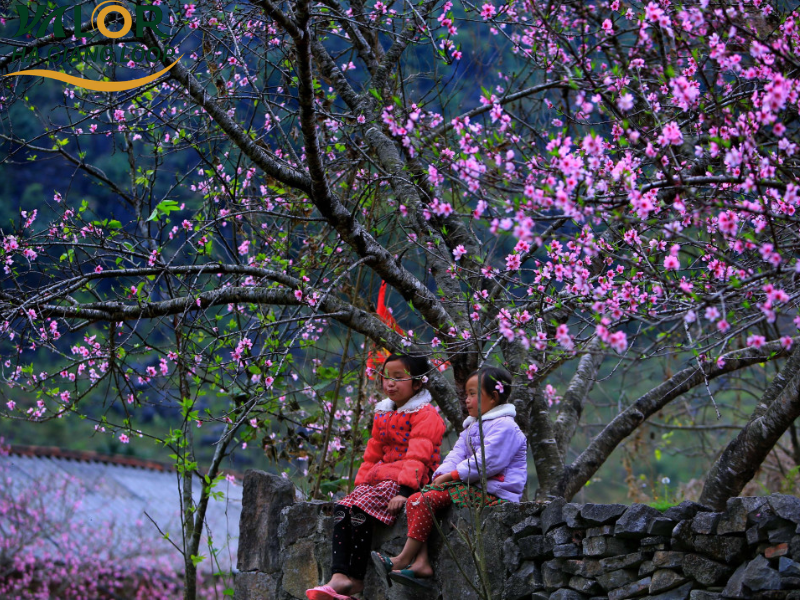
Spring in Ha Giang brings cool, refreshing air and dry conditions that are comfortable for travel. This is the season when peach blossoms, plum flowers, and various wildflowers bloom across the rocky plateau, creating a landscape that is both romantic and vibrant.
January and February also coincide with the Lunar New Year (Tet Holiday), when ethnic villages celebrate traditional festivals filled with color and cultural richness. If you love poetic scenery and wish to experience authentic local traditions, spring is an excellent time to visit.
Autumn (August – November)
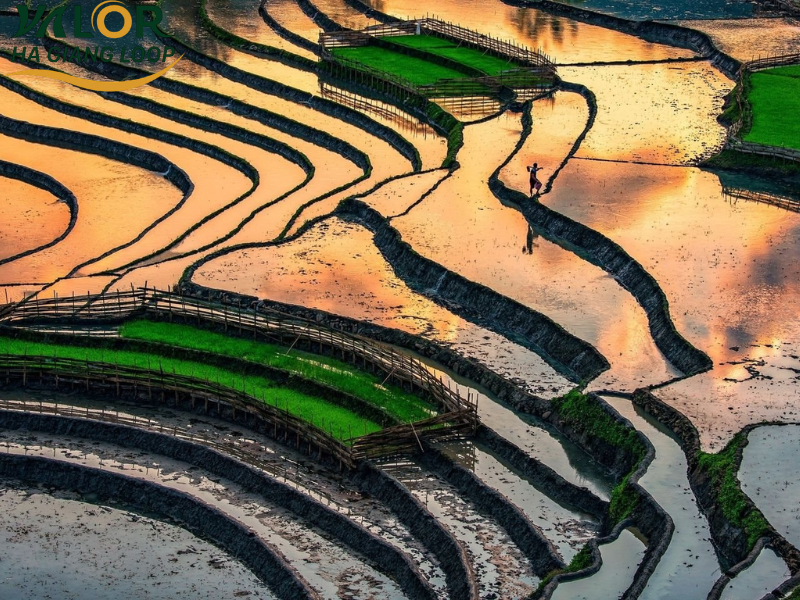
Autumn is widely considered the most beautiful time of the year to explore the Ha Giang Loop. The weather is cool and dry, with soft golden sunlight that makes the landscapes even more vibrant. From August to September, the terraced rice fields in Hoang Su Phi and surrounding valleys turn into brilliant shades of gold during harvest season.
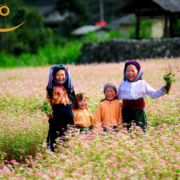
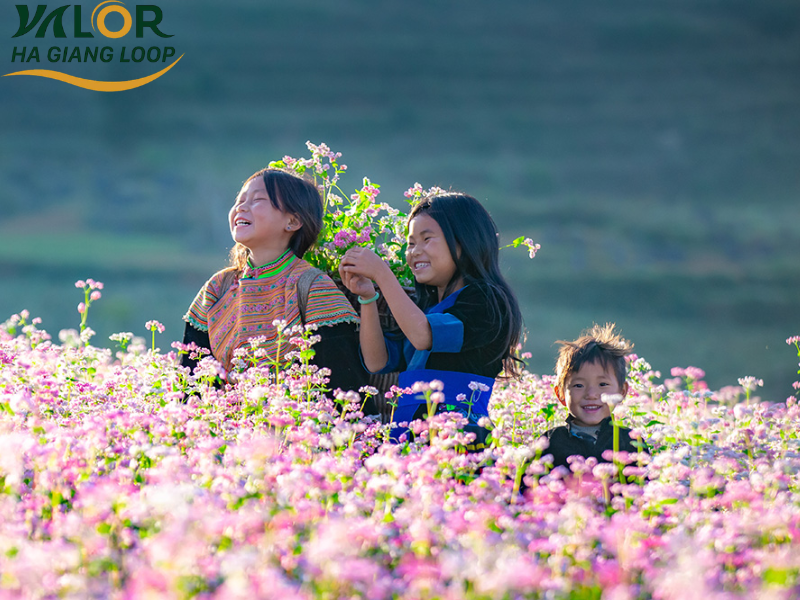
From late October to early November, buckwheat flowers bloom in full glory, covering the rocky hillsides with gentle pink and purple hues. This striking contrast between delicate blossoms and rugged limestone mountains creates one of the most iconic and photogenic scenes in Ha Giang.
Other Seasons of the Year
- Summer (April – July): During summer, the mountains are covered in lush greenery, terraced rice fields enter the water-filling season, and waterfalls flow at their strongest. The scenery is vibrant and full of life. However, this is also the rainy season, meaning roads can become slippery, and sudden fog or heavy downpours may occur especially in high mountain areas.
- Winter (December – January): Winter brings a mystical charm to Ha Giang, with drifting mist and crisp, chilly mountain air. Although temperatures can drop significantly particularly in the early morning and on high passes this season is perfect for travelers who love peaceful, foggy landscapes and a quieter atmosphere.
Highlights of the Ha Giang Loop
The Ha Giang Loop is not only a legendary motorbike adventure but also a route that showcases some of the most breathtaking landscapes and richest cultural heritage in northern Vietnam. Below are the must-see highlights you shouldn’t miss when exploring this iconic journey:
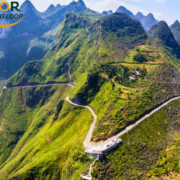
- Ma Pi Leng Pass: Known as one of the “Four Great Mountain Passes” of Vietnam, Ma Pi Leng is the most spectacular highlight of the Ha Giang Loop. From the summit, you can enjoy panoramic views of the deep Tu San Canyon and the emerald Nho Que River winding dramatically through towering limestone mountains.
- Nho Que River and Tu San Canyon: A boat ride along the Nho Que River is an unforgettable experience. The crystal-clear turquoise water flowing between steep cliffs creates one of the most stunning natural scenes in Southeast Asia.
- Dong Van Karst Plateau: Recognized as a UNESCO Global Geopark, this area features millions-of-years-old limestone formations, deep valleys, and ethnic minority villages hidden among the rocky landscape. It is considered the heart of the Ha Giang Loop.
- Lung Cu Flag Tower: The northernmost point of Vietnam, where you can admire endless mountain ranges and feel the pride of standing at the country’s frontier.
- Dong Van Old Quarter: A charming historic town with houses over 100 years old. In the evening, warm lantern lights create a cozy atmosphere perfect for strolling and enjoying local highland cuisine.
- Vuong Family Palace (Hmong King’s Palace): A unique architectural complex blending Chinese, French, and H’Mong influences. It is an ideal place to learn about the history and culture of the rocky plateau region.
- Hoang Su Phi: Famous for some of the most beautiful terraced rice fields in Vietnam, especially during the golden harvest season (August–September). It is a paradise for nature lovers and photographers.
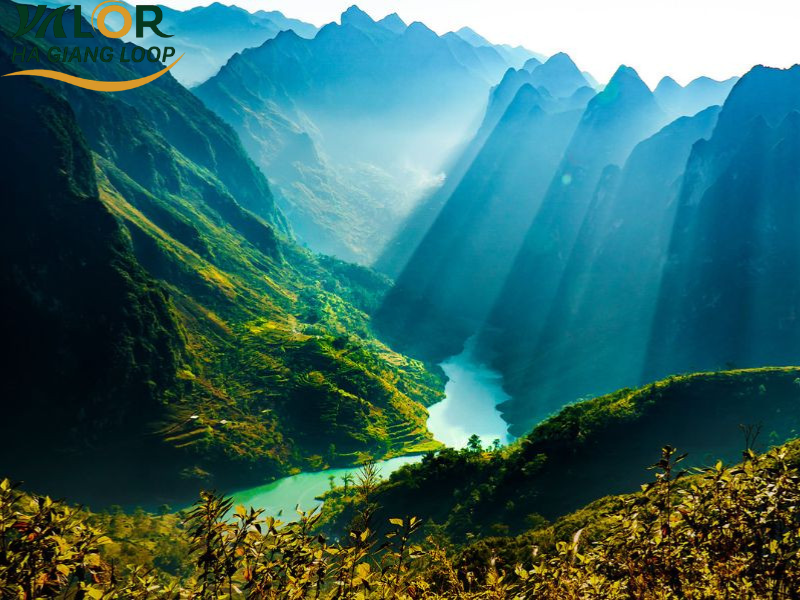
Ma Pi Leng Pass overlooking the emerald Nho Que River
Packing List for the Ha Giang Loop: Motorbike Clothing and Gear
Starting your Ha Giang Loop adventure by motorbike means riding through high mountain passes, rapidly changing weather, and rugged limestone terrain. Proper clothing and gear preparation not only ensures comfort but also plays a crucial role in keeping you safe during your 3–5 day journey.
- Helmet: Safety should always come first. A full-face helmet is highly recommended for better protection, especially on windy and dusty mountain passes. If you choose an open-face helmet, make sure it has a proper visor. The helmet should fit securely and have a strong fastening strap.
- Appropriate Footwear: Wear sturdy trekking shoes or high-quality sneakers with good grip. Avoid flip-flops or sandals, as they are unsafe for mountain riding. If possible, specialized motorbike riding shoes offer the best protection and ankle support.
- Long Pants: Choose comfortable hiking or riding pants with flexibility and multiple pockets. During colder months, consider wearing thermal leggings underneath for extra warmth. Avoid wearing shorts on long riding days.
- Protective Pads (Knee & Elbow Guards): If you are not wearing full protective riding gear, knee and elbow pads are a smart addition. They help absorb impact and provide extra safety, particularly for self-riders.
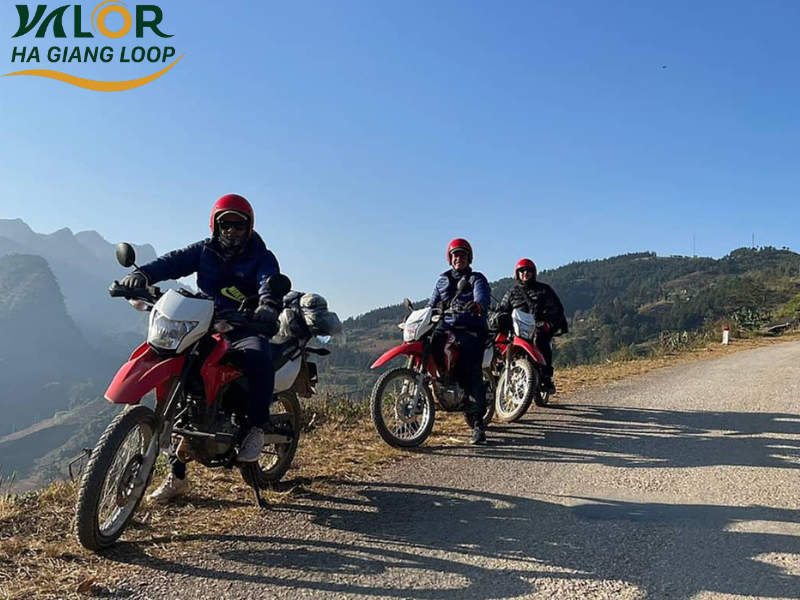
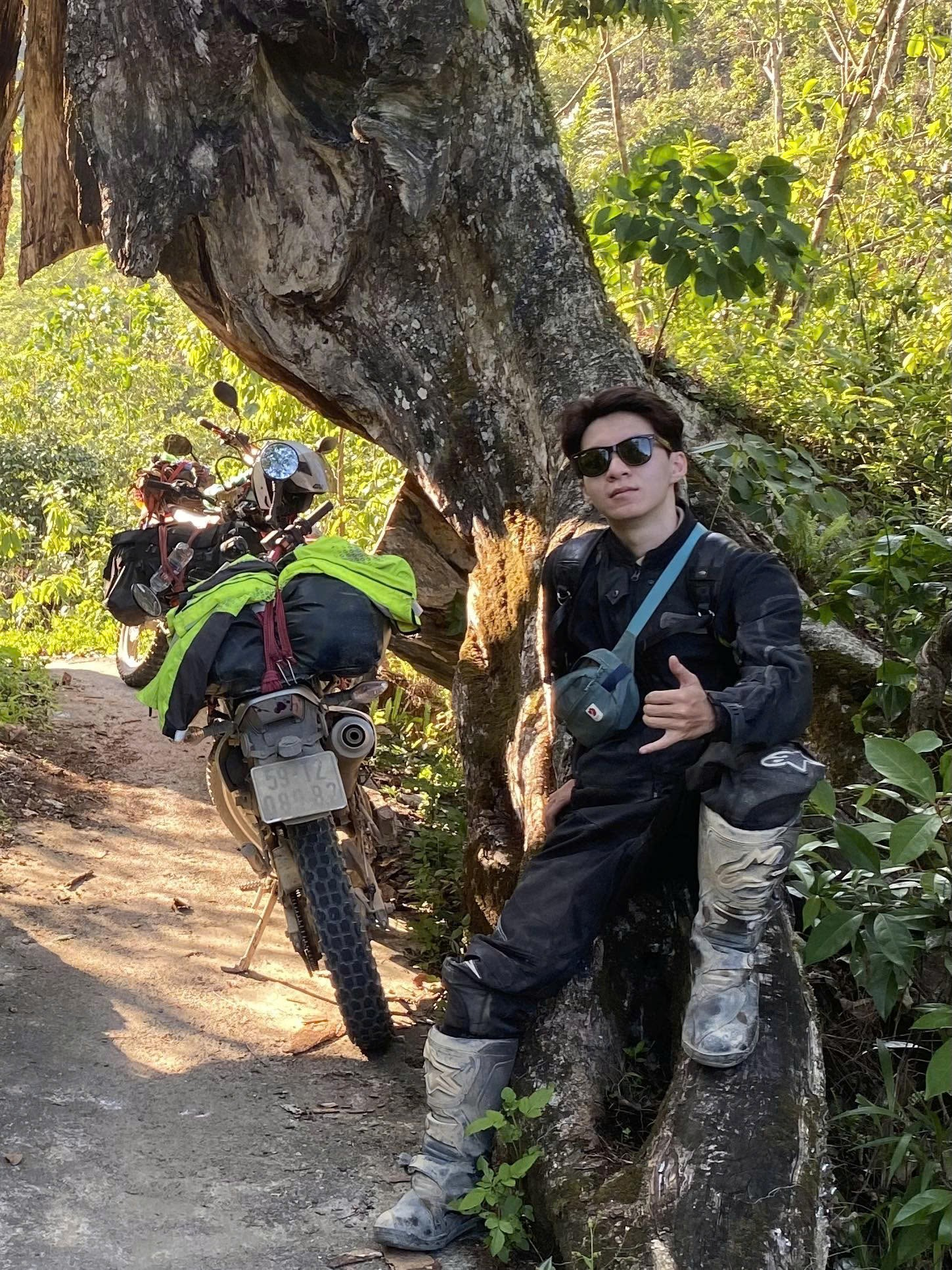
Protective Gear for Riding the Ha Giang Loop
The Ha Giang Loop is more than just a famous motorbike route it is a journey into the raw and untouched beauty of northern Vietnam. From the dramatic Ma Pi Leng Pass and the emerald Nho Que River to the Dong Van Karst Plateau and peaceful ethnic villages, every stretch of road offers unforgettable experiences. Whether you explore the loop in 3 days or 5 days, during the blooming spring or the golden autumn harvest, Ha Giang always has a way of leaving you in awe.
See more: