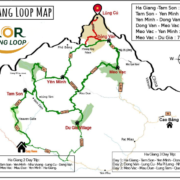
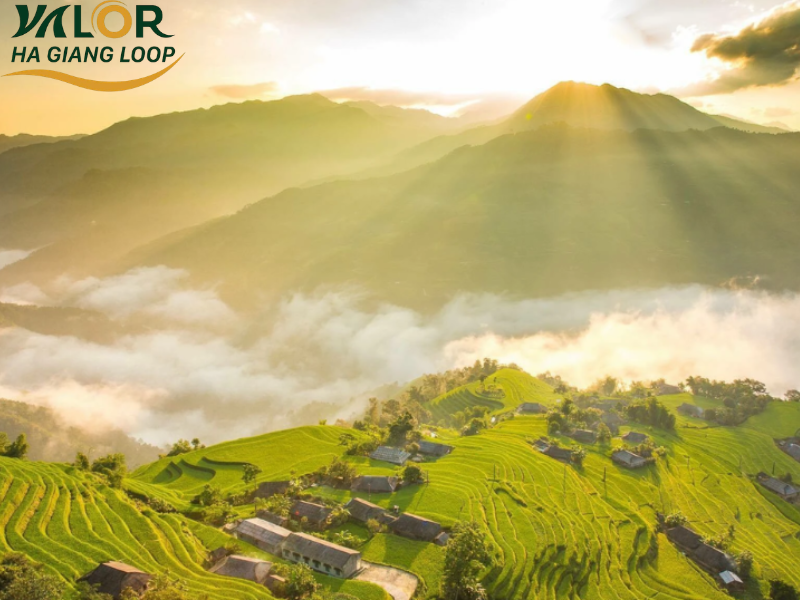
Planning to explore Northern Vietnam? Understanding Ha Giang weather in year is essential for choosing the best time to visit Ha Giang in 2026. Each season brings its own unique charm from blooming flowers in spring and lush green mountains in summer to golden rice terraces in autumn and misty, cloud-covered peaks in winter. In this guide, Valor Ha Giang Loop shares detailed monthly climate insights, average temperatures, rainy season information, and practical travel tips to help you fully prepare for your Ha Giang adventure and conquer the legendary Ha Giang Loop.
Understanding the Climate in Ha Giang
Ha Giang is located in the northern mountainous region of Vietnam, where the climate is characterized as subtropical highland with clear seasonal variations. In general, Ha Giang weather is divided into four distinct seasons: spring, summer, autumn, and winter. Each season offers its own unique beauty and directly influences the overall travel experience.
Spring February to April is the season when peach blossoms, plum flowers, and mustard flowers bloom across the valleys, creating picturesque landscapes under mild and pleasant temperatures. Summer May to August brings warmer weather and occasional heavy rains, but the mountains and rice fields turn lush green and full of life. Autumn September to November is widely considered the best time to visit Ha Giang, thanks to its cool, dry weather and the stunning golden rice terraces that cover the hillsides. Meanwhile, winter December to January introduces colder temperatures, misty mornings, and sometimes even frost in higher mountainous areas.
Thanks to these distinct seasonal changes, Ha Giang offers different experiences throughout the year. Understanding the local climate will help you choose the most suitable time to visit and fully enjoy your adventure on the legendary Ha Giang Loop.
Explore Tour at Valor
Ha Giang Loop Weather by Season
To ensure a safe and unforgettable journey on the Ha Giang Loop, understanding the weather throughout the year is essential. Each season transforms the loop into a different landscape, directly affecting riding conditions, scenery, and what you should pack for the trip. Below is an overview of seasonal weather patterns to help you choose the best time for your Ha Giang adventure.
Spring March – May
Spring is considered one of the best times to explore the Ha Giang Loop. The weather is mild and pleasant, with comfortable temperatures that are neither as hot as summer nor as cold as winter. Rainfall is generally low, especially in March and early April, resulting in clearer skies and better visibility along the mountain passes.
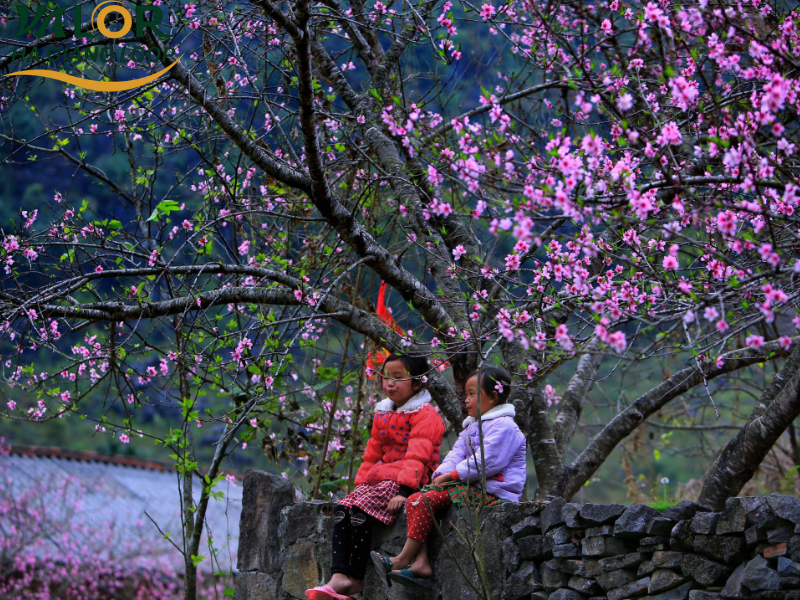
This season is also visually stunning, as peach blossoms and plum flowers bloom across the valleys, adding vibrant colors to the dramatic limestone landscapes. Stable weather conditions reduce the risk of slippery roads, making it easier and safer to ride while fully enjoying the breathtaking scenery.
Summer June – August
Summer is the warmest time of the year in Ha Giang. However, it is also the peak rainy season, with frequent showers that often occur in the afternoon. Rain can make the roads slippery and reduce visibility, requiring riders to be more cautious when navigating mountain passes.
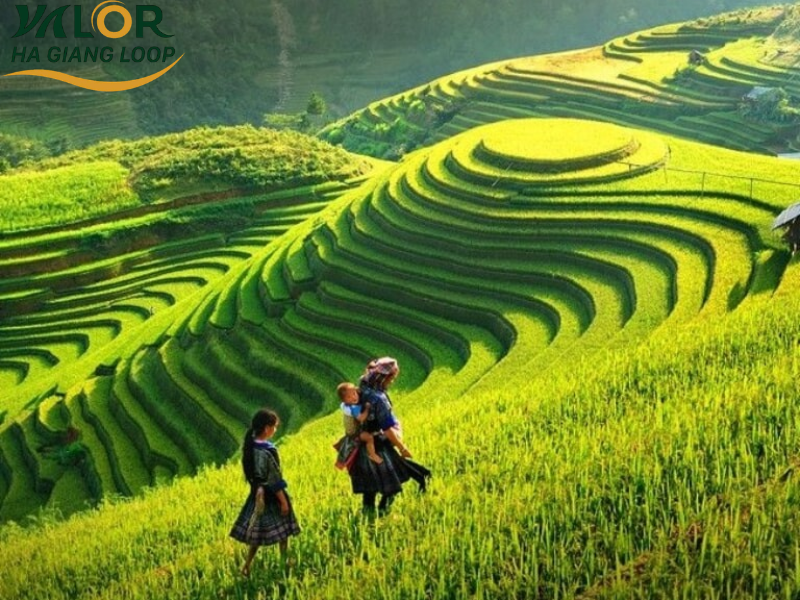
On the bright side, the landscape during summer is incredibly lush and full of life. Terraced rice fields and lowland valleys are covered in vibrant shades of green. In higher mountain passes, temperatures are usually cooler, and after the rain, mist often drapes over the hills, creating a dramatic and breathtaking atmosphere. Travelers are advised to bring rain gear and waterproof clothing when visiting during this season.
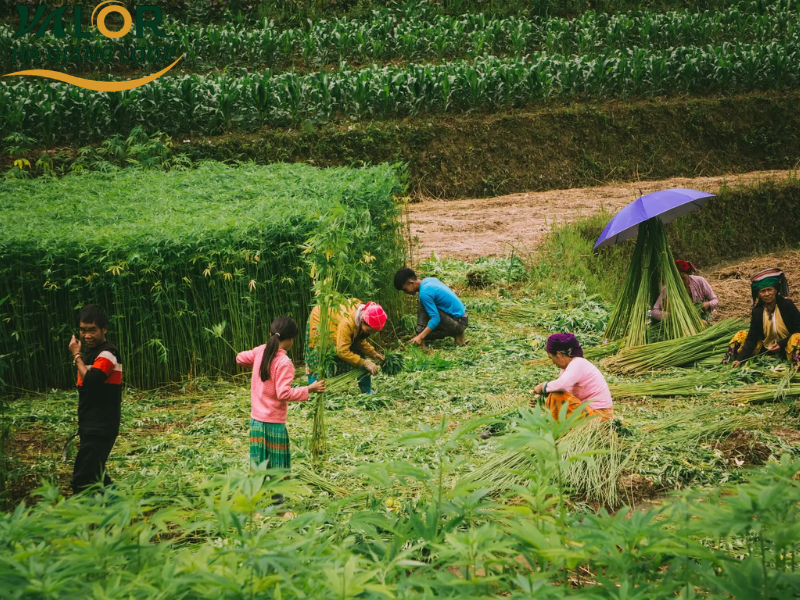
Autumn September – November
Autumn is widely considered the most beautiful time to visit Ha Giang. The weather is stable, rainfall decreases significantly, and the air becomes cool and fresh. Roads are generally dry, making it easier and safer to travel along the winding mountain passes.
September and October are especially famous for the golden rice harvest season, particularly in Hoang Su Phi, attracting photographers and travelers from around the world. By November, temperatures begin to drop slightly, but remain comfortable with a light jacket. With clear blue skies and vibrant landscapes, autumn is an ideal time for exploring the Ha Giang Loop.
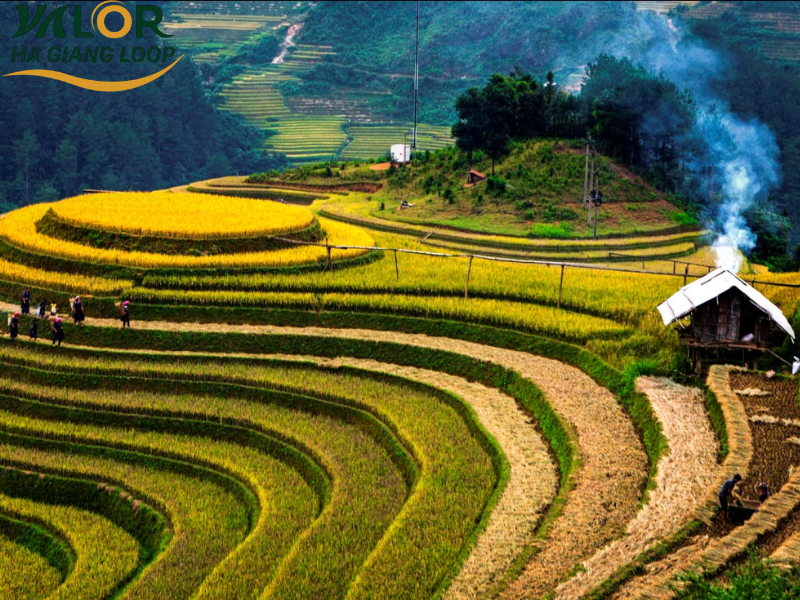
Ha Giang in autumn with golden terraced rice fields
Winter December – February
Winter brings the coldest weather of the year to Ha Giang. Temperatures can drop significantly, especially in the early morning and late evening, particularly on higher mountain passes. Thick fog and chilly winds may reduce visibility, making travel more challenging for riders.
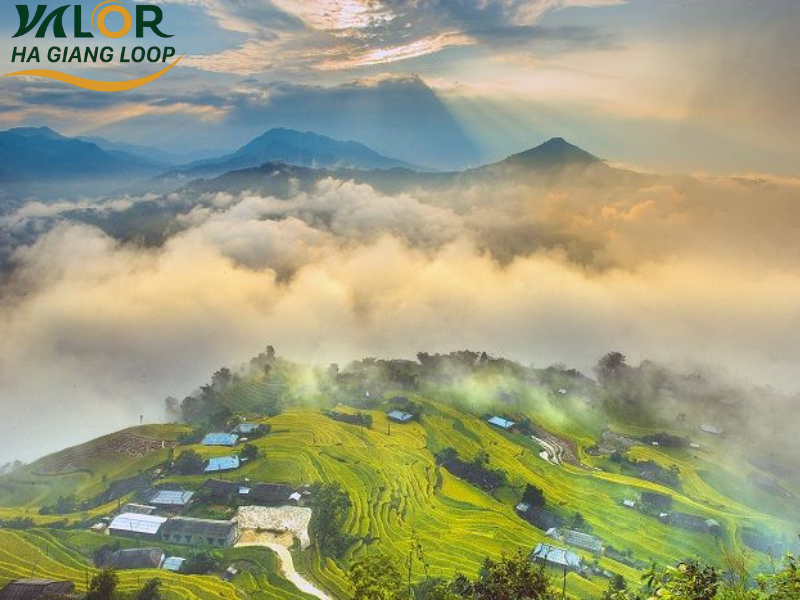
However, winter air is typically dry, meaning the roads are less slippery compared to the rainy season. The mountains emerging through layers of mist create a dramatic and majestic landscape that many travelers find unforgettable. If visiting during this season, be sure to prepare warm clothing, gloves, and thermal layers to stay safe and comfortable throughout your journey.
What to Pack for Each Season in Ha Giang
Due to its mountainous terrain and winding passes, Ha Giang weather varies significantly throughout the year. Temperature differences between day and night are also more noticeable compared to lowland areas. Therefore, preparing suitable clothing and essentials will not only make your trip more comfortable but also ensure your safety especially if you plan to ride the legendary Ha Giang Loop by motorbike.
- Spring (March – May): Spring in Ha Giang offers mild temperatures, low rainfall, and fresh mountain air. This is also the season when peach and plum blossoms bloom across the hillsides and valleys. Light, breathable clothing is recommended, along with a thin jacket for early mornings and evenings. Comfortable shoes with good grip will help you safely navigate steep roads and outdoor attractions.
- Summer (June – August): Summer is the rainy season in Ha Giang. While it can be warm during the day, temperatures are cooler at higher elevations. Sudden rain showers may make the roads slippery, so rain gear and waterproof clothing are essential. You should also bring lightweight clothing, sunscreen, and enough drinking water to stay hydrated during long rides.
- Autumn (September – November): Autumn is widely considered the best time to visit Ha Giang. The weather is dry, cool, and the skies are clear perfect for sightseeing and riding. A light jacket for cooler evenings and comfortable clothing for exploring famous spots like the Dong Van Karst Plateau or Ma Pi Leng Pass will be sufficient.
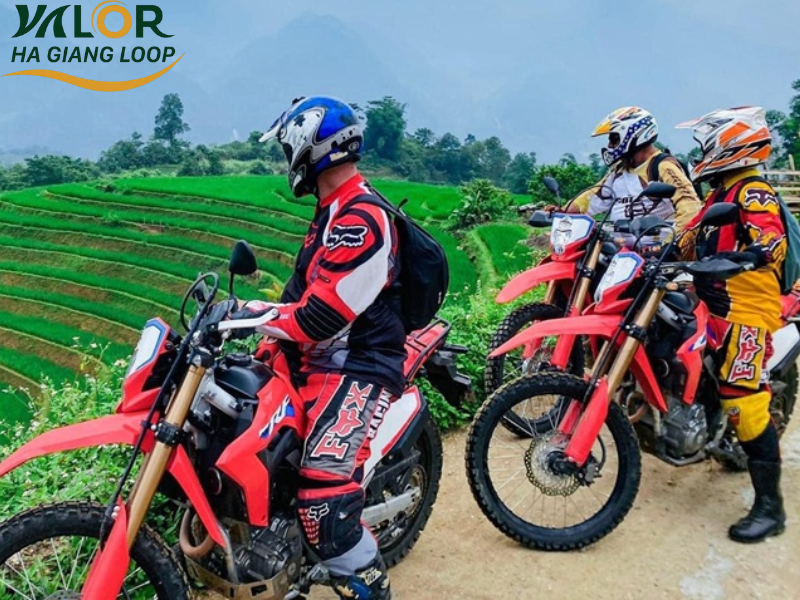
- Winter (December – February): Winter in Ha Giang can be quite cold, especially on high mountain passes and in the early mornings. Temperatures may drop significantly, accompanied by thick fog. Warm layers, a heavy jacket, gloves, and scarves are essential to stay comfortable. If traveling by motorbike, proper thermal gear is even more important to maintain body warmth and clear visibility.
Explore the Most Beautiful Places in Ha Giang
Ha Giang is not only famous for the legendary Ha Giang Loop, but also for its breathtaking natural landscapes and rich cultural heritage. Each destination in this northern province offers its own unique charm from towering mountain ranges to peaceful ethnic villages hidden in the valleys.
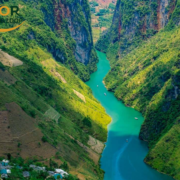
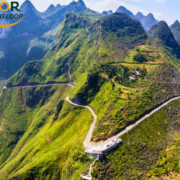
One of the most remarkable highlights is Ma Pi Leng Pass, often referred to as the “king of mountain passes” in Northern Vietnam. From the top, travelers can admire the emerald waters of the Nho Que River winding through the dramatic Tu San Canyon below. This is also one of the must-visit check-in spots when riding the Ha Giang Loop.
Another iconic destination is the Dong Van Karst Plateau Geopark, a UNESCO Global Geopark known for its sharp limestone formations and rugged beauty. The area is home to traditional earthen houses of the H’Mong people, as well as the charming Dong Van Old Quarter, where visitors can experience a slower pace of life and enjoy authentic local cuisine.
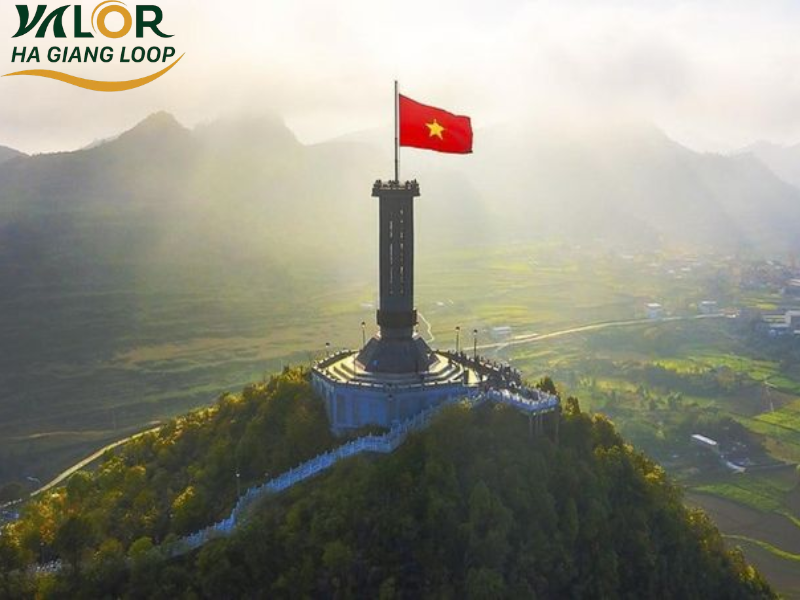
The Lung Cu Flag Tower, marking the northernmost point of Vietnam, is a symbolic and meaningful landmark that many travelers aspire to reach. From the top of the tower, you can enjoy panoramic views of endless mountain ranges and small villages scattered across the landscape.
Additionally, Hoang Su Phi is famous for its golden terraced rice fields during the autumn harvest season, attracting photographers and nature lovers alike. With its ever-changing scenery throughout the year, Ha Giang offers a fresh and inspiring experience every time you visit.
Ha Giang weather changes distinctly throughout the year, and each season brings its own unique beauty to the journey of exploring the Ha Giang Loop. Whether you love the blooming flowers of spring, the lush green landscapes of summer, the golden rice harvest in autumn, or the mystical charm of winter, Ha Giang always offers unforgettable experiences. In this guide, Valor Ha Giang Loop has shared useful insights to help you confidently plan your trip and fully enjoy your adventure in Vietnam’s northernmost frontier.